How to Choose the Right Smart Door Lock for Your Market
A Practical B2B Buyer's Guide for Distributors, Importers, Door Manufacturers and Project Buyers

Choosing a smart door lock is not only about fingerprint recognition, facial recognition or mobile APP control. For B2B buyers, door compatibility, mortise selection, installation conditions, power supply, platform choice and local market requirements are equally important.
This guide explains the main points professional buyers should confirm before ordering samples or moving to bulk production.
1. Start With the Door, Not the Smart Lock
One of the most common sourcing mistakes is choosing a smart lock based only on appearance and functions. A model can look suitable in a catalog and still be incompatible with the customer's existing door or mortise.
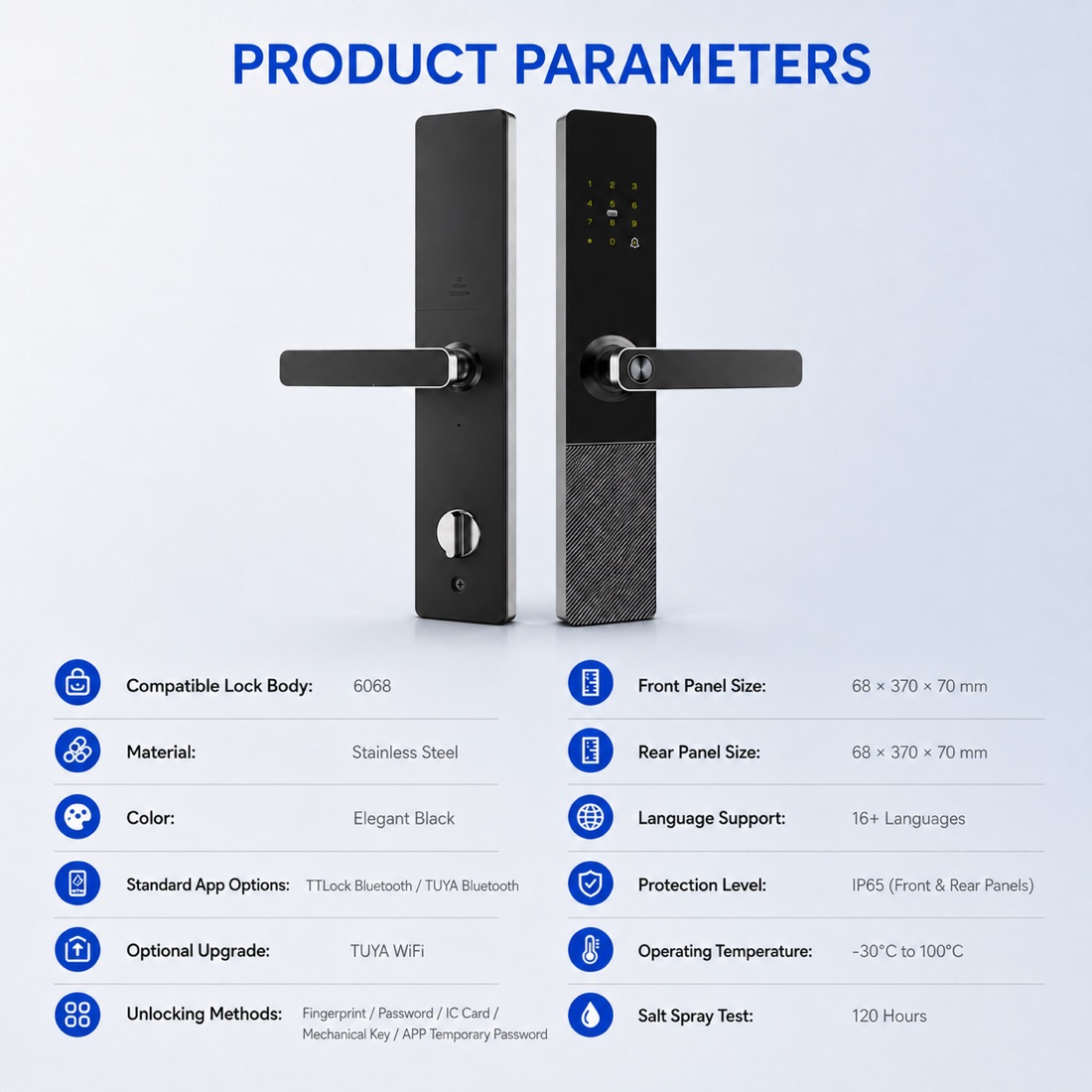
Common smart lock mortise specifications include 6068, 7068, 6085, 6590 and 5050. Actual compatibility depends on the lock model, door construction and installation requirements, so these numbers should be treated as a starting point rather than a universal fit.
Before a sample or bulk order is confirmed, buyers should ideally provide the supplier with the existing mortise dimensions, door thickness, opening direction and clear photos of the door. A technical drawing of the original mortise is even better when available.

2. Choose Functions According to the Target Market
Modern smart locks can support fingerprint recognition, PIN codes, IC cards, mechanical keys, Bluetooth APP control, Wi-Fi remote control, 3D face recognition and other access methods. The model with the longest feature list is not automatically the best choice.
For entry-level residential customers, fingerprint, password, IC card and mechanical key access may already cover the main needs. Higher-end apartments, villas and smart-home projects may prefer 3D face recognition, video intercom and remote unlocking. Rental properties and managed apartments may care more about temporary passwords, APP management and access records.
For distributors and importers, the objective is to balance product cost, feature value and local customer expectations rather than selecting functions that increase price but add little practical value.

3. TTLock or Tuya: Which Platform Is More Suitable?
The APP platform can affect how a smart lock is positioned, sold and managed. TTLock and Tuya Smart are two commonly used platform options in the smart lock market.
TTLock is widely used for lock and access management. Depending on the product configuration, it can support Bluetooth unlocking, password management, IC card management, access records and gateway-based remote functions. It is often suitable for apartments, rentals, offices and access-control applications.
Tuya Smart is part of a wider smart-home ecosystem. For buyers already selling smart switches, cameras, sensors or other Tuya-compatible products, a Tuya smart lock may fit more naturally into the existing product portfolio.
There is no universal “better” platform. The correct choice depends on the buyer's customer group, existing ecosystem and after-sales management requirements.

4. Check the Power Supply and Emergency Access
Different smart locks use different power solutions. Some models use replaceable AA batteries, while locks with larger displays, 3D face recognition or video functions commonly use rechargeable lithium batteries.
Battery capacity is only one part of the evaluation. Buyers should also confirm expected battery life, charging method, low-battery warning and emergency access. A practical design should still provide a backup solution when the main battery is depleted.
Depending on the model, emergency access may include a Type-C emergency power port and mechanical key access. These details directly affect the end-user experience and should be checked during sample testing.
5. Confirm Door Thickness and Installation Accessories
Door thickness varies by market and door manufacturer. Even when the smart lock itself is compatible, screws, square spindles, cylinders and other installation accessories may need to be adjusted for the actual door.
This is especially important for door factories and project buyers, where dozens or hundreds of locks may need to be installed under the same specification. Confirming the door thickness before production allows the supplier to prepare a more consistent installation package and can reduce problems on site.
6. Product Reliability Matters Beyond Appearance
A smart lock combines mechanical components and electronic systems, so appearance alone is not enough to evaluate product quality. Buyers should ask how the product is tested for durability and environmental performance.
Depending on the model and application, relevant checks can include repeated lock-cycle testing, high- and low-temperature testing, salt-spray testing, waterproof or dust-resistance testing, keypad and fingerprint reliability, and repeated mechanical operation of the handle or lock body.
Outdoor and semi-outdoor installations deserve particular attention because temperature, humidity, dust and corrosion conditions vary significantly between markets.

7. Keep Mechanical Backup Access
Electronic access improves convenience, but mechanical emergency access remains important. Before purchasing, buyers should confirm the number of mechanical keys included, the location of the emergency keyhole, the emergency power method and what happens when the main battery is completely depleted.
These are also common questions from end customers. Clear answers and a complete emergency-access design make the product easier for distributors to explain, sell and support after delivery.
8. Test Samples Before Moving to Bulk Orders
For a new model or a new market, sample testing is an important part of the sourcing process. Samples allow buyers to evaluate the real product rather than relying only on catalog images and specifications.
During sample testing, check product appearance, material quality, fingerprint or face-recognition performance, APP operation, mortise compatibility, installation steps, accessories, packaging and user experience. If the local market is still being tested, comparing several models at different price and feature levels can provide better feedback than selecting one model immediately.
9. Confirm OEM and ODM Requirements Before Production
For importers and distributors, the lock itself is only part of the final product. Brand presentation and configuration are also important. OEM and ODM requirements can include logo printing, customized packaging, user manuals, language settings, product colors, mortise configurations and accessory sets.
These requirements should be discussed before production begins. For larger orders or projects, a clear specification sheet helps both buyer and manufacturer confirm the final configuration and reduces misunderstandings during production and repeat orders.
10. Work With a Manufacturer That Understands Door Compatibility
Smart lock sourcing is not simply about selecting a model from a catalog. A capable supplier should also help buyers evaluate door compatibility, mortise selection, APP configuration, accessories, packaging and customization requirements.
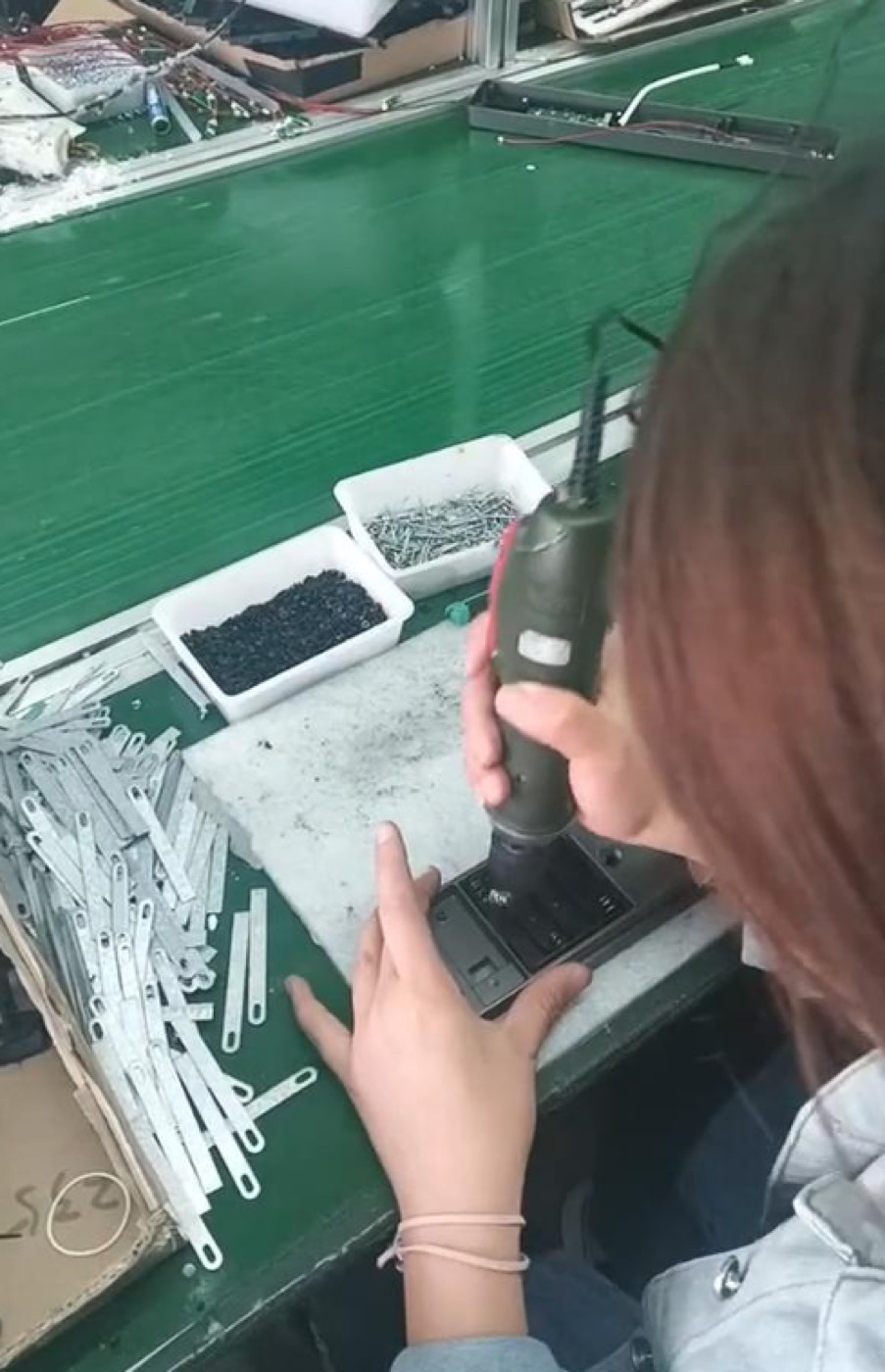
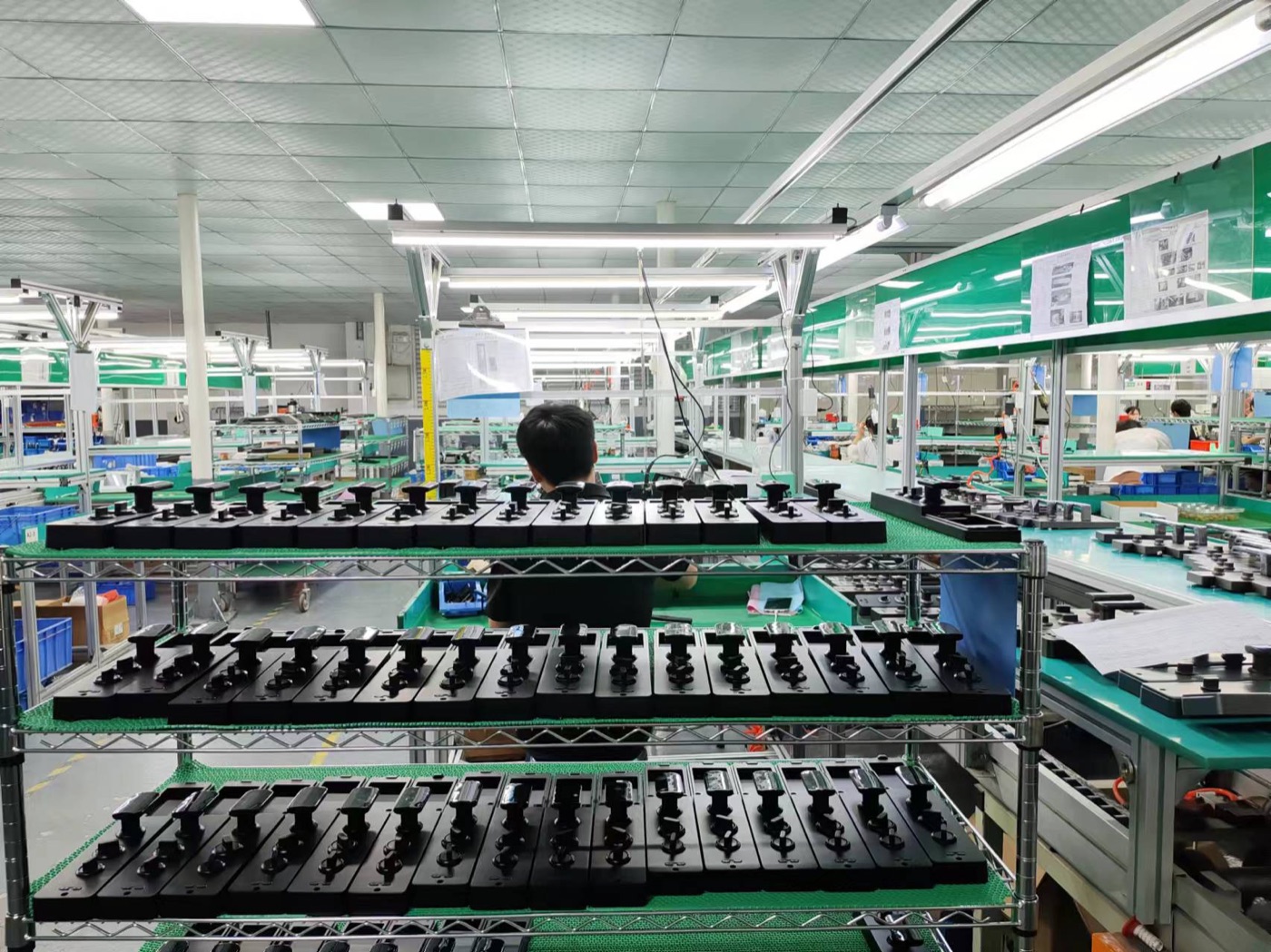
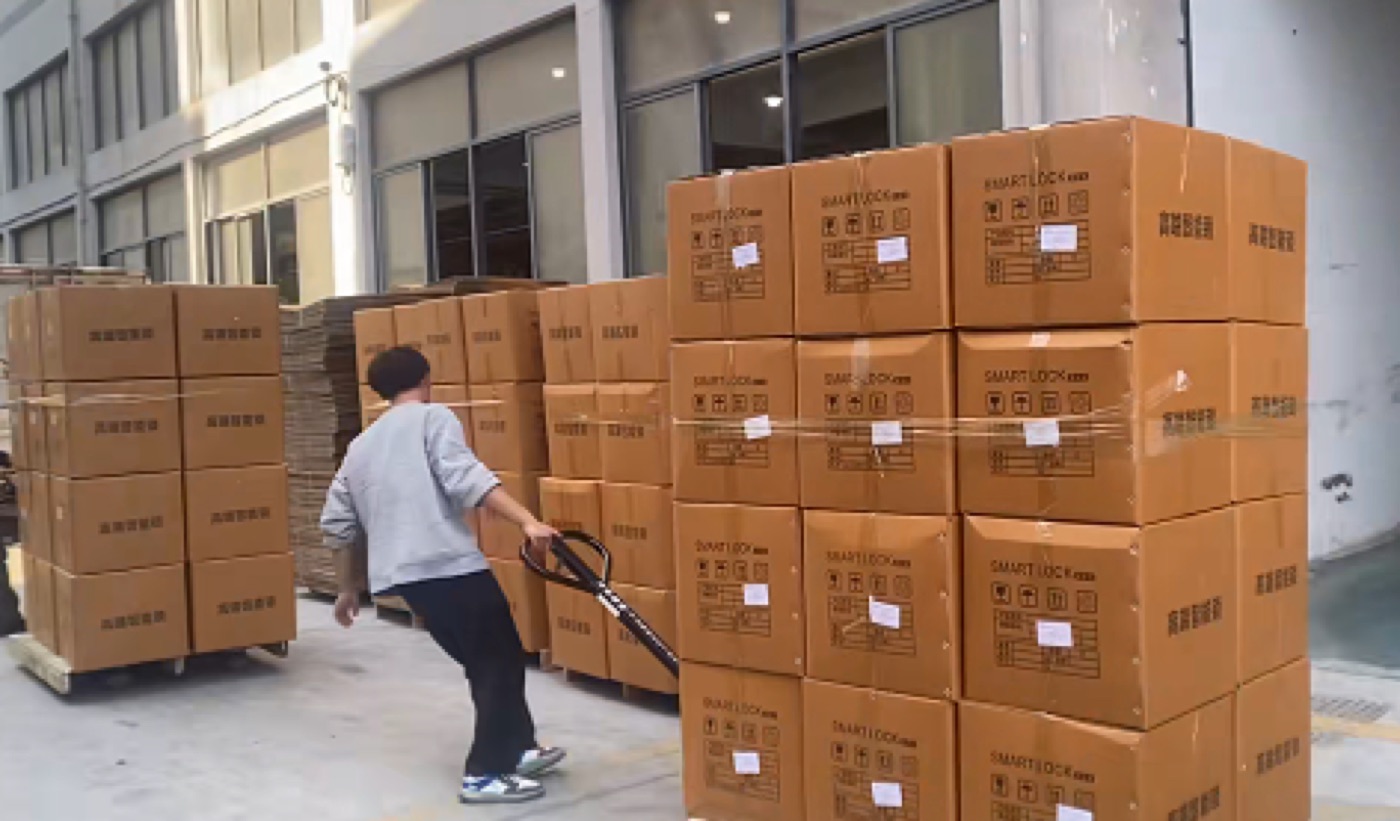
Xianda Smart Lock has been a smart lock manufacturer since 2014 and supports OEM and ODM cooperation for overseas distributors, importers, door manufacturers, smart-home companies and project buyers. Product options cover fingerprint smart locks, APP-controlled locks, 3D face-recognition locks, video smart locks and other access-control solutions.
Depending on the model and project requirements, different mortise options such as 6068, 7068, 6085, 6590 and 5050 can be evaluated during the product-selection stage.

Looking for the Right Smart Lock for Your Market?
If you are not sure which smart lock is suitable for your country, door type or customer group, send the supplier your project information before finalizing the model.
- Door photos and mortise dimensions
- Door thickness and opening direction
- Required unlocking methods
- APP or remote-management requirements
- Target market and application
- Estimated order quantity
- OEM, logo or packaging requirements
Contact Xianda Smart Lock for the latest product catalog, technical specifications and B2B quotation.